Featured
Table of Contents
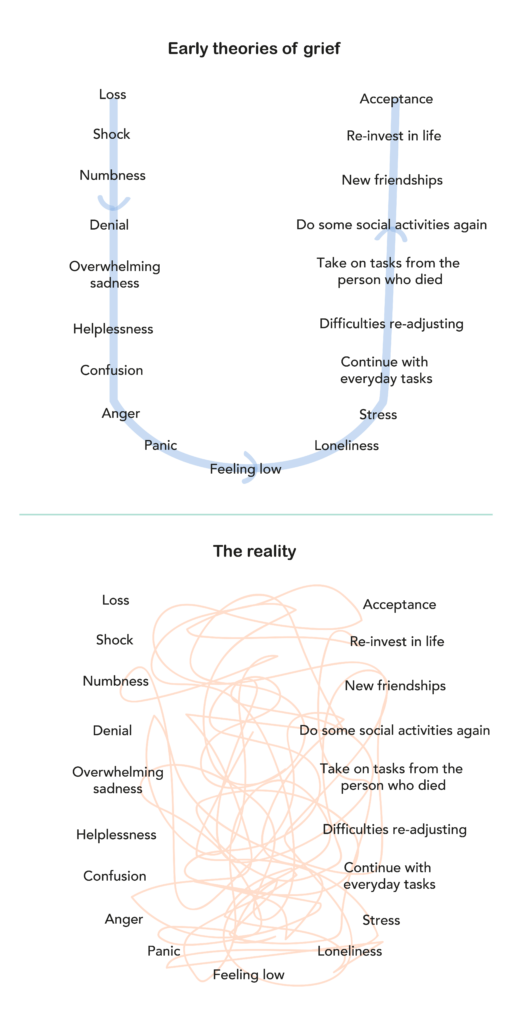
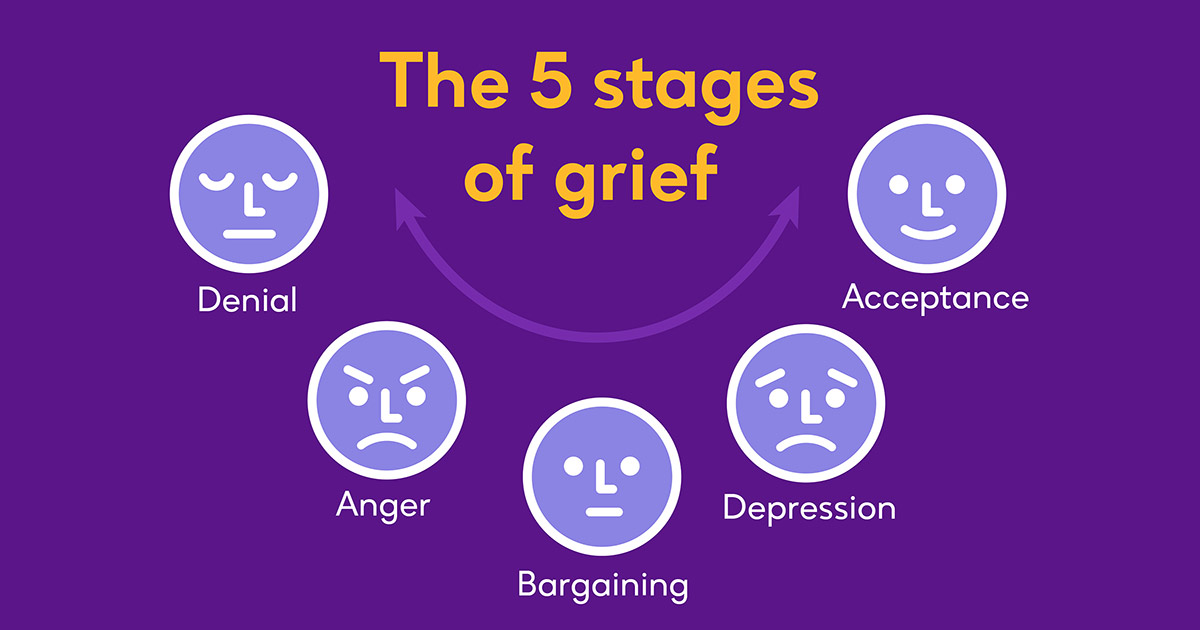
Pain is a complicated process that differs from individual to individual. The five stages of pain denial, anger, bargaining, depression, and acceptance are a helpful structure for considering grief, yet it does not imply we'll go via every stage. We can experience these facets of despair at different times, and they do not occur in one particular order.
This site uses cookies to help personalise web content, customize your experience and to maintain you logged in if you register. By proceeding to use this website, you are consenting to our use of cookies.
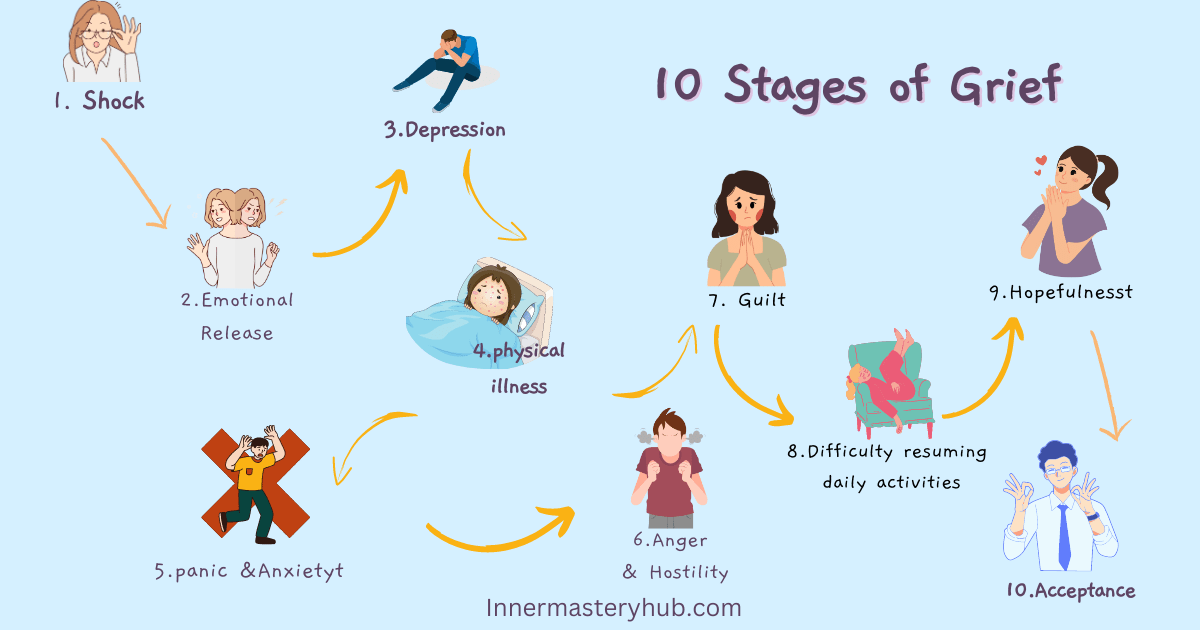
The seven phases of grief are a template for just how a person may regret. This cyclical framework is suggested to aid you better understand your sensations and is not intended to prescribe exactly how you should grieve, what you should be feeling, or in which order. Everybody regrets in a different way. Each stage might reoccur or overlap the others.
If you wish to find out more concerning your specific mourning procedure, it's a great concept to connect to a relied on psychological wellness specialist to understand yourself much better and establish ideal coping approaches. Discover more about the 7 phases of grief. Pain can be a difficult and unpleasant procedure. When a loss takes place, one of the first things you may experience is shock.
Somatic Approaches for Anxiety in PTSD & Trauma Professionals
That's because no one can ever before be genuinely prepared for a loss so substantial. Many of the time, this is since your body has not refined the loss.
These feelings and experiences are self-protective devices that act as a buffer to make sure that you are not bewildered at one time. Since the fatality of an enjoyed one can have such a significant effect on you, you might experience denial. During this phase of grief, it is merely also hard for your brain to understand that your family member, good friend, or other enjoyed one is gone.
As you gradually start to accept the loss and what it suggests for your life currently, your denial will begin to reduce. You might have a wider variety of feelings and emotions when rejection wears away. Up until after that, you might have durations when you really feel distressed, which can be caused by pointers of your loved one.
In many cases, it's a typical feeling to intend to prevent others to make sure that you do not need to recognize or discuss your loss. Sometimes, you really feel absent-minded, obtain quickly sidetracked, or put things off during this phase of grief. You may likewise attempt to remain busy at all times or closed down emotionally.
Transforming Medical Trauma Through IFS Therapy in Sacramento
In certain situations, you could also really feel mad with the healthcare providers, your buddies, household participants, God, or any other soul(s) you believe in. Yet under all that temper is your discomfort. While it might be awkward to deal with, it gives extra framework to your grieving than staying numb.
During this phase, individuals often feel powerless and helpless and ask themselves "what happens if" concerns. You may really feel guilty for not doing more to keep the loss from happening or for not investing even more time with the individual you shed. Throughout the bargaining phase, it prevails to ask yourself or state, "I need to have done this ..." or "If I had just done that ..." While these sorts of questions are typical, they are not where you desire your mind to stay.
How Success Doesn't Address Inner Pain
Instead, try thinking of any kind of excellent memories you have with them. In some cases, merely assessing these ideas can aid you release the regret. It may likewise be handy to do something particular, like compose a letter to your liked one or speak to them aloud. When you concern terms with the truth of the loss, a deeper degree of unhappiness might begin to creep in.
You can likewise visit for a checklist of additional resources or call the number listed below to get to Material Misuse and Mental Wellness Solutions Administration (SAMHSA) hotline. The screening stage of the grieving process usually entails trying different things that help you relocate forward. In this phase, you are beginning to construct your brand-new normal in addition to processing your sensations and feelings created by the loss.
Reaching the approval phase does not suggest you are okay with what took place. Rather, this part of the mourning procedure is a lot more concerning approving what your life appears like currently. You will certainly still need to listen to your sensations and readjust, however you will certainly start to feel more wholeeven if it looks various than it did in the past.

Latest Posts
Engaging The Whole Family as Active Participants
Healing Obsessive Thoughts via Effective Exposure and Response Prevention (ERP) Therapy
Generalized Anxiety in Accomplished Professionals